Understanding the psychology behind gambling behavior in casinos
The Allure of Casinos
Casinos evoke a unique fascination that draws millions of individuals worldwide. This attraction can be attributed to various psychological factors, including the thrill of risk and the potential for significant rewards. The vibrant atmosphere, with its flashing lights and enticing sounds, creates an immersive experience that stimulates the senses. Many players engaged in the experience find themselves excited about the vipzino login and diving into thrilling games for entertainment and escapism.
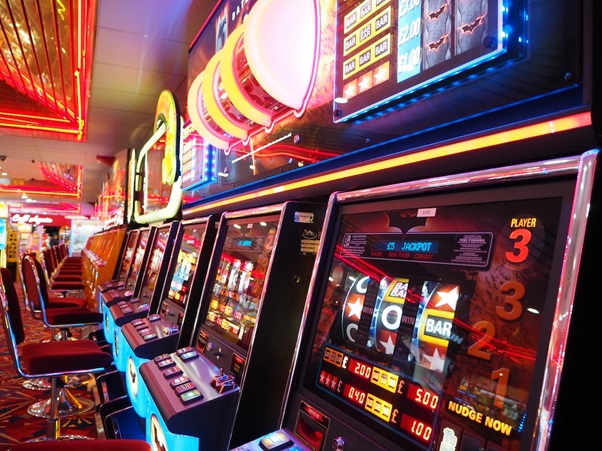
Moreover, the social aspect of gambling in casinos cannot be overlooked. Many individuals enjoy the camaraderie that develops among players, often forming bonds over shared experiences, whether they win or lose. This sense of community can enhance the overall experience, making it more appealing. Some might even argue that this social interaction adds a layer of excitement that is absent in solitary forms of gambling, like online betting.
The concept of “near misses” plays a critical role in the psychology of gambling. Players often believe they are close to winning, which can increase their desire to continue playing. This illusion of being on the brink of a win encourages further engagement and investment. Understanding these psychological triggers helps explain why casinos are bustling with energy and why people are drawn back time and again.
Cognitive Biases and Gambling
Cognitive biases significantly influence gambling behavior, with one of the most prominent being the gambler’s fallacy. This belief leads individuals to think that past events will influence future outcomes. For instance, a player who observes a series of losses might believe that a win is due, leading them to place more bets in hopes of reclaiming their losses. This misconception can often result in reckless gambling behavior, further emphasizing the need for awareness of one’s thought processes.
Another cognitive bias affecting gamblers is the illusion of control. Many players mistakenly believe they can control or influence the outcome of a game through skill or strategies, particularly in games perceived as skill-based, such as poker. This belief often leads them to take unnecessary risks, as they think their decisions will directly affect the results. This mindset underscores the importance of educating players about the nature of games and the random chance involved.
Confirmation bias is also prevalent in gambling. Gamblers tend to remember their wins while forgetting their losses, reinforcing the idea that they are more successful than they truly are. This selective memory can create a distorted perception of gambling as a viable means of income, trapping individuals in a cycle of continued play and financial risk. Recognizing these cognitive biases can help individuals make more informed decisions while gambling.
The Role of Emotion in Gambling
Emotion plays a critical role in gambling behavior, influencing decision-making and risk assessment. Many people gamble to escape negative feelings or to celebrate positive experiences. This emotional rollercoaster can lead to impulsive decisions, as players may chase losses in hopes of regaining their emotional balance. Additionally, feelings of euphoria after a win can create a desire for further gambling, potentially leading to problematic behavior.
The concept of “loss aversion” also ties into the emotional aspect of gambling. Research shows that the pain of losing is often felt more intensely than the pleasure of winning. This dynamic can drive individuals to gamble more aggressively, as they attempt to recover lost money. Understanding this emotional backdrop can help individuals recognize when their gambling may be influenced more by feelings than by rational thought.
Lastly, the excitement of winning can create a chemical response in the brain, releasing dopamine and promoting feelings of pleasure. This neurochemical reaction reinforces gambling behavior, encouraging individuals to chase those high feelings. The anticipation of a potential win can be exhilarating, further drawing people into the gambling cycle. Acknowledging these emotional drivers can help individuals maintain a healthier relationship with gambling.
The Impact of Environment on Gambling Behavior
The physical environment of a casino is meticulously designed to enhance the gambling experience. Elements like layout, lighting, and sounds are strategically crafted to create an atmosphere of excitement and urgency. For instance, the absence of clocks and windows keeps players disoriented regarding the passage of time, encouraging longer play sessions. This design choice aims to maximize player engagement and spending, often leading to unplanned financial consequences.
Furthermore, the presence of other gamblers can influence individual behavior. Observing others winning can spur excitement and the desire to participate, leading to impulsive betting decisions. Social proof, the phenomenon where individuals look to others for cues on how to behave, can amplify this effect. Players may feel compelled to increase their bets or try new games simply because others are doing so, highlighting the significant impact of social dynamics in a casino setting.
Sound design is another critical factor in shaping the gambling experience. The use of upbeat, stimulating music can elevate mood and energy levels, making players more inclined to continue gambling. Moreover, the sounds of coins dropping or slot machines paying out serve as auditory rewards, reinforcing the behavior of continued play. Together, these environmental factors create a powerful influence on gambling behavior, making awareness of one’s surroundings essential for informed decision-making.
Exploring Vipzino Casino
Vipzino Casino is an excellent example of how the online gambling landscape has evolved to accommodate players’ preferences and behaviors. With an extensive library of over 5,000 games, it offers various options, including slots, table games, and live dealer experiences. This variety ensures that players remain engaged and entertained, aligning with psychological principles of choice and satisfaction.
The platform also understands the importance of reward systems in encouraging continued play. With a generous welcome package that includes a significant bonus and free spins, Vipzino Casino effectively attracts new players. This strategy taps into the desire for immediate gratification, as players are motivated to explore the offerings in hopes of reaping rewards quickly.
Moreover, Vipzino Casino prioritizes security and customer support, ensuring players feel safe while they gamble. By offering licensed operations and 24/7 support, the platform aims to create a trustworthy environment, fostering player confidence. As more players turn to online gaming, platforms like Vipzino Casino will continue to shape the future of gambling behavior through innovative approaches and psychological insights.


