Exploring the psychological impacts of gambling Understanding the mind game's depths
The Intricacies of Gambling Addiction
Gambling addiction is a complex psychological issue that grips individuals from diverse backgrounds. It often begins innocently, with social gambling serving as a recreational pastime. However, as players engage more frequently, the thrill associated with winning can quickly turn into a compulsion. This addiction is not merely about financial loss; it also involves emotional and psychological deterioration, often leading to feelings of guilt, anxiety, and depression. The brain’s reward system gets hijacked, making it increasingly difficult for individuals to recognize the harmful consequences of their gambling behaviors. For those interested in a dynamic online gaming experience, you can explore westace.live, which emphasizes responsible play.
Research indicates that gambling activates the same reward pathways in the brain as substance abuse. Dopamine, a neurotransmitter linked to pleasure, is released in response to wins, reinforcing the urge to gamble again. Over time, individuals may chase losses, believing that a big win is just around the corner. This cycle can devastate personal relationships and lead to severe financial hardships, often leaving individuals isolated and despondent. Understanding these mechanisms is crucial in addressing gambling addiction effectively.
Furthermore, the psychological impacts of gambling addiction extend beyond the individual. Families often bear the brunt of this compulsive behavior, experiencing stress, uncertainty, and emotional turmoil. Communication breakdowns can occur, and loved ones may feel helpless, unsure of how to intervene. Therapies and support systems aimed at treating gambling addiction have emerged, focusing on cognitive-behavioral strategies to help individuals regain control over their impulses and repair relationships affected by gambling.
The Role of Environment in Gambling Behavior
The environment plays a significant role in shaping gambling behaviors and attitudes. Various studies have shown that factors such as access to gambling facilities, social circles, and cultural attitudes toward gambling can influence a person’s likelihood of developing problematic gambling behaviors. Areas with abundant casinos or online gambling options often see higher rates of gambling addiction. The convenience of accessing these platforms, particularly with the rise of mobile gaming, makes it all too easy for individuals to succumb to impulsive gambling.
Social influences can also contribute significantly to gambling habits. Friends or family members who engage in gambling can normalize the behavior, making it seem more acceptable. In some cultures, gambling is intertwined with social events, further embedding it into daily life. This normalization can create an environment where individuals feel pressured to gamble, even if they have reservations or are aware of the potential risks involved.
Awareness of one’s environment and its influence on gambling behavior can be empowering. By understanding how external factors contribute to gambling tendencies, individuals can take proactive steps to minimize exposure to risky environments. For instance, if someone recognizes that their social circle encourages frequent gambling, they can seek out new activities or friendships that support healthier behaviors. Such conscious decisions can serve as critical steps toward mitigating the psychological impacts of gambling.
The Emotional Roller Coaster of Winning and Losing
Gambling is often described as an emotional roller coaster. The highs of winning can provide immense joy and euphoria, while the lows of losing can plunge individuals into despair. This volatile emotional state can lead to erratic decision-making, causing players to gamble larger amounts in an attempt to recapture lost money. This impulsive behavior often exacerbates the cycle of addiction, deepening their emotional turmoil and leading to risky choices that can have long-term consequences.
The anticipation of a potential win can also create a state of heightened anxiety. Players may feel an adrenaline rush that boosts their self-esteem and sense of control. However, this fleeting feeling can quickly vanish, resulting in feelings of hopelessness when losses occur. Understanding this emotional turbulence is vital for individuals looking to manage their gambling behaviors. By recognizing the emotional triggers tied to gambling, one can adopt healthier coping mechanisms to navigate the ups and downs without resorting to the betting table.
Moreover, the societal stigma surrounding gambling losses can intensify feelings of shame and isolation. Individuals may hesitate to seek help, fearing judgment from peers and family members. This reluctance can lead to a vicious cycle where they continue to gamble to escape their feelings, further entrenching them in the addiction. Awareness and open discussions about the psychological aspects of gambling can foster an environment that encourages individuals to seek support without fear of stigmatization.
Responsible Gambling and Ethical Considerations
Responsible gambling practices are essential for minimizing the potential psychological impacts associated with gambling. These practices involve understanding one’s limits, recognizing the signs of problematic gambling behavior, and being informed about the risks involved. Many online platforms now emphasize responsible gambling by providing resources and tools, such as setting deposit limits and self-exclusion options, to help players manage their habits effectively.
Ethical considerations in gambling extend to the operators and regulators of gambling platforms. Ensuring a fair and transparent gaming environment is crucial in protecting players from exploitation. Operators must prioritize the well-being of their users by providing educational materials, support resources, and clear guidelines on responsible gambling. This commitment to ethical practices can contribute to a healthier gambling culture, reducing the likelihood of addiction and its associated psychological impacts.
Additionally, fostering a community of support among players can help in encouraging responsible gambling. Platforms that create forums or discussion groups allow individuals to share their experiences and coping strategies, forming a network of support that emphasizes healthy behaviors. By focusing on ethical considerations and community involvement, the gambling industry can contribute positively to the psychological well-being of its players, promoting a safer environment for all.
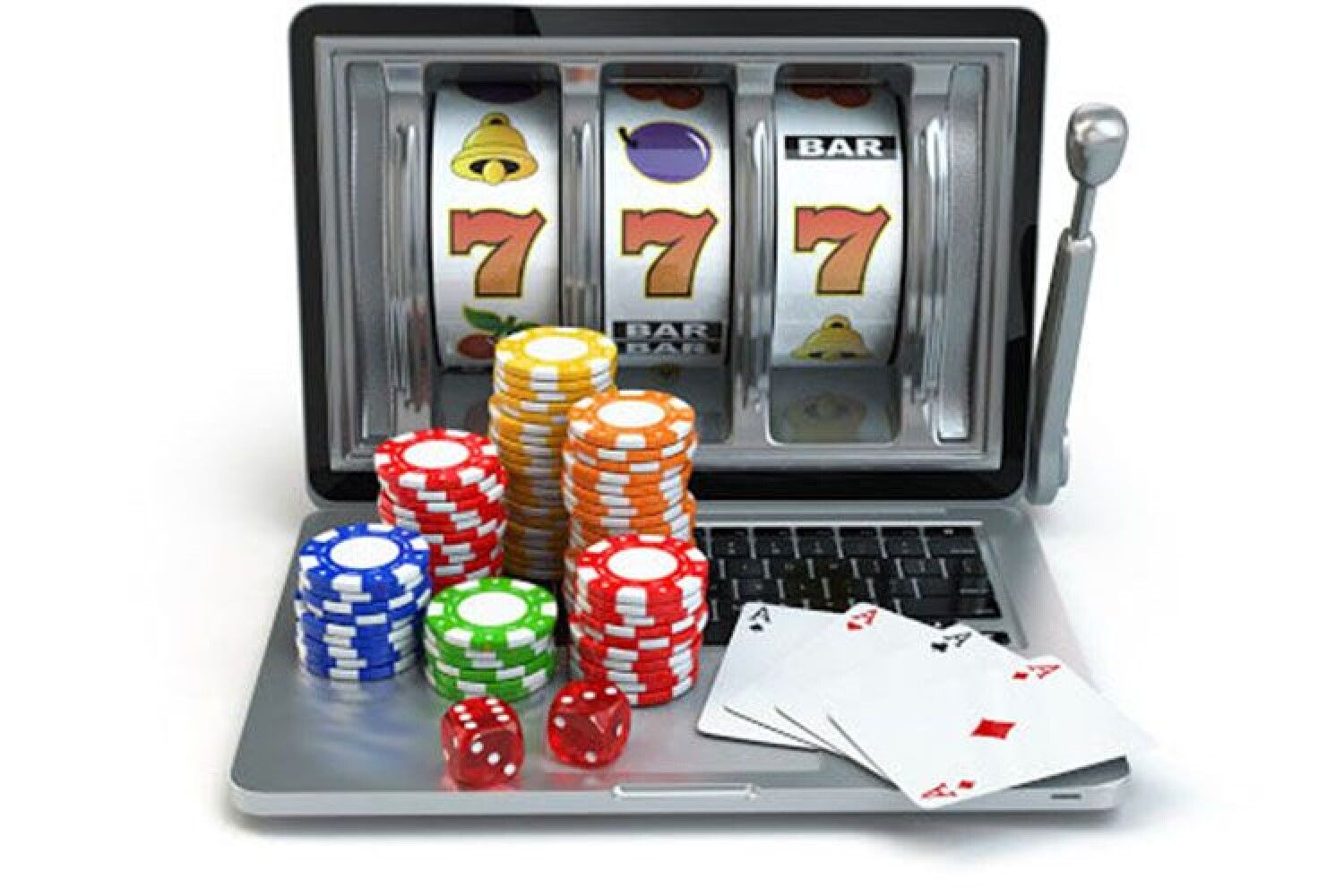
WestAce Casino: A Commitment to Safe Gaming
WestAce Casino exemplifies a commitment to providing a safe and enjoyable gaming experience. With a vast selection of over 3,000 slots and live games, players are greeted with an attractive welcome package that includes substantial bonuses and free spins. However, what sets WestAce apart is its dedication to responsible gambling. The platform is designed to facilitate easy navigation, ensuring players have access to important information about gaming limits and self-exclusion options.
In addition to user-friendly features, WestAce offers 24/7 support to assist players facing any challenges related to their gambling behaviors. This commitment to comprehensive support showcases WestAce’s recognition of the psychological impacts gambling can have. By creating an environment where players feel safe and supported, WestAce aims to mitigate the adverse effects of gambling and promote a culture of responsible gaming.
Overall, WestAce Casino not only enhances the gaming experience but also emphasizes the importance of ethical practices in gambling. By prioritizing player well-being and offering extensive resources for responsible gaming, WestAce is setting a standard for how online casinos can effectively address the psychological aspects of gambling. Players can enjoy their gaming experiences while being empowered to make informed choices, ensuring a balanced approach to gambling that respects individual limits and promotes mental health.


