9mm Ammo Buyers Guide: Stock Up on the Best Rounds Now
9mm ammo is the world’s most popular handgun cartridge, and for good reason—it’s compact, reliable, and easy to shoot. When fired, the 9mm’s brass case burns its propellant to push a 115 to 147-grain bullet down the barrel at speeds around 1,100 to 1,200 feet per second, giving you flat trajectories and manageable recoil. That balance of power and control makes it ideal for target practice, home defense, and everyday training. For best results, always pick the right bullet type—like full metal jacket for plinking or jacketed hollow points for stopping threats.
What Makes the 9mm Luger the Most Versatile Handgun Round Today
The 9mm Luger’s versatility stems from its unmatched ability to span every practical shooting role with a single cartridge. From subsonic suppressed loads to hot +P defensive ammunition, the 9mm ammo spectrum lets you tune recoil, penetration, and expansion for compact carry guns, full-size competition pistols, or PCCs without changing platforms. Its case design feeds reliably in double-stack magazines, and bullet weights from 115-grain flat points to 147-grain hollow points let you optimize for steel targets, barrier penetration, or self-defense. Q: Why is 9mm ammo so adaptable? A: Because its moderate pressure and case geometry allow the widest range of bullet profiles and powder charges, making it equally effective in short barrels and long carbine tubes. So, whether you’re training, hunting, or carrying, the Luger’s balance of power, capacity, and controllability keeps it king.
Ballistic Performance: Balancing Recoil, Velocity, and Stopping Power
The 9mm Luger’s .32 Win Special Ammo for Sale ballistic performance hinges on a delicate equilibrium: recoil energy stays manageable enough for rapid follow-up shots, while muzzle velocity typically ranges 1,100–1,250 fps, allowing flat trajectories. Stopping power emerges from bullet design—expanding hollow points at these speeds create consistent wound channels without over-penetration. Recoil-velocity-stopping power balance dictates that lighter loads yield less felt kick but may under-penetrate, whereas +P rounds boost velocity at the cost of muzzle flip and control. Optimal defense loads trade raw power for shot-to-shot accuracy under stress.
Q: Does higher velocity always mean better stopping power in 9mm?
A: No. Excessive 6.5x57R Ammo for Sale velocity can cause bullet fragmentation, reducing penetration, while adequate recoil control ensures you place shots on target—making shot placement the true equalizer.
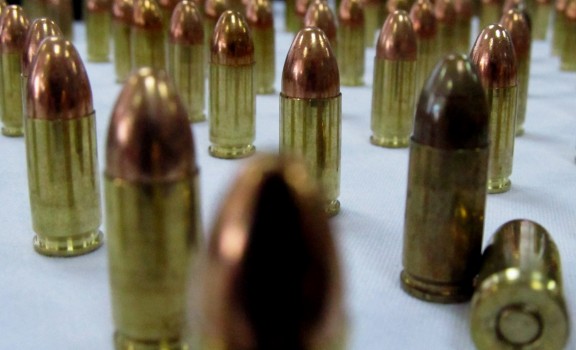
Why This Cartridge Dominates Both Range Training and Personal Defense
The 9mm Luger’s reign in both range training and personal defense comes down to a brutal, practical equation: shootability meets terminal performance. At the range, its moderate recoil allows for rapid, repeated trigger presses without developing flinch, building muscle memory that translates directly to defensive shooting. In a self-defense scenario, that same controllability permits fast follow-up shots on target, while modern jacketed hollow points achieve reliable expansion and adequate penetration through clothing and barriers. The round’s crossover effectiveness means the exact ammunition you practice with can be the same you carry, eliminating point-of-impact surprises. Training drills with 9mm mimic defensive draws and multiple-target engagements far more realistically than heavier calibers, because fatigue sets in slower.
- First, you master sight alignment under low recoil.
- Then, you increase speed and transition between targets.
- Finally, you trust the same recoil impulse and bullet path in a crisis.
This seamless continuum from paper targets to street threats is why no other cartridge bridges the gap so completely.

How to Match Bullet Grain Weight to Your Shooting Goals
Matching 9mm bullet grain to your goals starts with what you’re actually doing at the range. For target shooting, a 115-grain load gives you a snappy, flat trajectory that’s easy to call on paper, and it’s the cheapest to practice with. If you’re shooting competition, a 124-grain round tends to feel smoother through recoil, letting you track your sights faster between shots. For self-defense, though, 147-grain subsonic ammo is the sweet spot—it penetrates deeper and cycles reliably in suppressed pistols, while heavier bullets also reduce perceived muzzle flip for quicker follow-ups. The trick is simple: test a box of each weight, watch your split times and accuracy, then pick the grain that makes you most consistent. Your gun will tell you what it likes.

115 vs 124 vs 147 Grain: Which Load Feels and Performs Best
Choosing between 115, 124, and 147 grain 9mm loads comes down to how each weight shifts recoil impulse and muzzle flip. A 115-grain load feels snappy and sharp, with a quick, punchy cycle that’s ideal for rapid-fire drills and low-recoil practice. Moving to 124-grain, you get a balanced, crisp push—often the sweet spot for matching bullet grain weight to shooting goals—as it delivers reliable slide cycling with moderate felt recoil. The 147-grain subsonic load feels softer and more like a steady shove, reducing muzzle rise and noise, which shines in suppressed setups or slow, precision work. For performance:
- Pick 115 for speed and low cost at the range.
- Choose 124 for defensive carry and consistent accuracy.
- Opt for 147 when shooting suppressed or prioritizing recoil management.
Selecting the Right Bullet Profile for Paper Targets or Defensive Drills
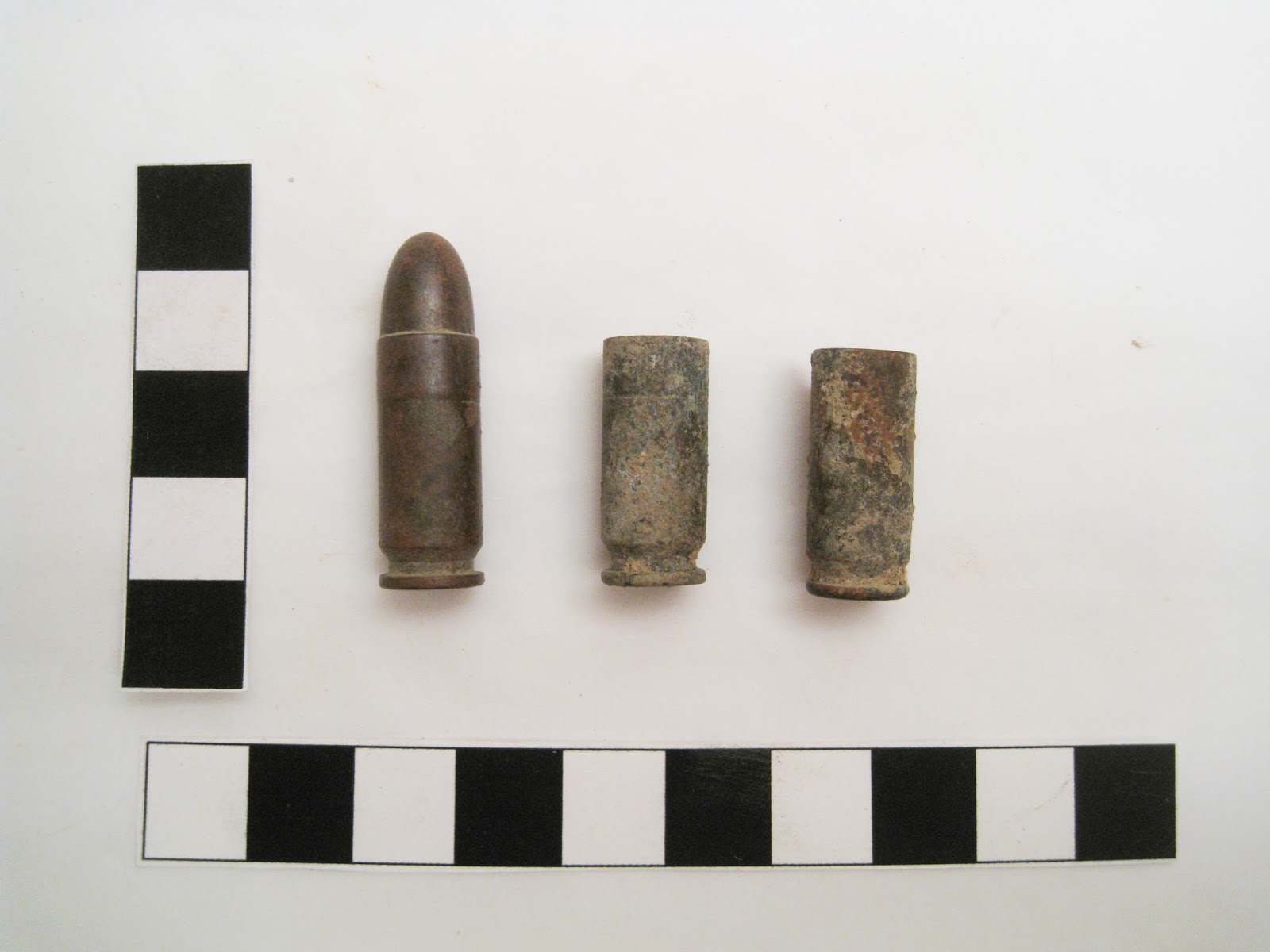
For paper targets, choose a **flat-nosed or truncated-cone profile** for clean, consistent holes that are easy to score, as rounded full metal jackets often tear ragged edges. Defensive drills demand a reliable feed ramp and expansion—so a hollow point with a rounded ogive, like a Federal HST or Speer Gold Dot, is non-negotiable. Your target’s feedback loop https://specialtysportsandsupplyltd.com/ is useless if the bullet tumbles before impact. A flat point may snag in a concealed carry pistol, while a sharp shoulder defeats barriers poorly. Match the profile to the action: feed reliability and terminal effect for drills, crisp imprint for precision.
Q: Should I use the same bullet profile for paper and defensive drills?
A: No—paper rewards a flat meplat for clean holes, but defensive drills require a bonded hollow point that feeds flawlessly and expands consistently from your specific barrel length.
Full Metal Jacket vs Hollow Point: Picking the Right Projectile Type
For your 9mm, the choice between Full Metal Jacket and Hollow Point really boils down to what you’re doing at the range versus what you’re doing in a self-defense scenario. FMJ rounds, with their solid copper jacket over .35 Remington Ammo for Sale a lead core, are built to punch through targets cleanly and feed reliably in any pistol—making them perfect for cheap, high-volume practice without excessive fouling. On the other hand, a 9mm Hollow Point expands upon impact, creating a larger wound channel and transferring more energy while drastically reducing the risk of over-penetration through walls. That expansion is the single biggest difference in terminal performance. For carry or home defense, you absolutely want the stopping power of a hollow point. For training, stick with FMJ to save your wallet and your gun’s internals. *However, always test your chosen hollow points in your specific 9mm barrel to ensure they feed flawlessly, since not every pistol likes every profile.*
When to Use FMJ for Practice and Cost-Effective Plinking
For most shooters, FMJ for practice and cost-effective plinking becomes the default choice when the goal is trigger time without financial strain, as the copper jacket’s lower material cost directly translates to a noticeably cheaper round than defensive hollow points. In 9mm, this price gap widens Ammunition for Sale with volume, making FMJ the logical pick for high-round-count sessions where precision on paper matters more than terminal expansion. Because FMJ feeds reliably in nearly all semi-automatic actions, you avoid the occasional feed malfunctions that can interrupt a budget-oriented range trip. When your objective is maintaining muscle memory, sight alignment, and recoil management rather than testing barrier penetration or wound channels, the full metal jacket’s consistent ballistics and reduced barrel fouling keep your practice productive and your per-box expense low.
How Jacketed Hollow Points Expand Reliably in Self-Defense Scenarios
When a 9mm jacketed hollow point strikes soft tissue, hydraulic pressure forces the thin copper jacket to peel back in a controlled, petal-like bloom. This expansion begins almost instantly, typically within the first two to three inches of penetration, because the hollow cavity is engineered to clog with fluid—not plug with clothing. Modern self-defense loads use a skived jacket and a tuned core-to-jacket bond, ensuring the nose opens symmetrically even through heavy denim or layered fabrics. The result is a temporary stretch cavity that disrupts blood vessels and nerves, dumping energy fast enough to stop a threat without over-penetrating. Crucially, the reliability of this expansion depends on velocity—9mm rounds pushed past 1,000 fps reliably deform, while underpowered loads may pencil through. That is why defensive JHPs are tested in calibrated gelatin to confirm repeatable, violent expansion across real-world angles.
What to Look for in Brass, Nickel, and Steel Casings
When you’re sorting through 9mm brass, check the case mouth for cracks and the primer pocket for tightness—loose pockets mean the case is done, no matter how shiny it looks. Brass reloads best, but only once or twice before the headstamp area stretches; feel for a rim that’s no longer crisp. Nickel casings resist corrosion and feed slicker in tight chambers, but look for flaking around the extractor groove—that’s the plating giving up, and it can jam a gun at the worst moment. Steel cases are fine for range blasting, but inspect the lacquer or polymer coating for scuffs; if it’s worn thin near the base, the case will stick in a hot chamber. *A cheap steel case that extracts cleanly is worth more than a premium brass one that’s been reloaded past its safe limit.* Always flick-test the neck tension by pressing a bullet tip against a bench—any give means the case is too weak to hold a 124-grain load.
Reloadability and Feeding Reliability Differences Between Case Materials
Reloadability and feeding reliability differences between case materials dictate your long-term cost per round. Brass casings are the undisputed champion for reloading, as they remain ductile through multiple resizing and expansion cycles, resisting case-head separation far longer than any alternative. Nickel-plated brass offers slicker feeding in tight chambers due to its lower friction coefficient, but the plating can flake at the mouth after a few reloads, compromising neck tension and shortening its reloadable lifespan. Steel, being work-hardened and less malleable, is effectively a one-and-done proposition for handloaders, as it’s prone to cracking at the shoulder; however, its rigid, waxed surface provides absolute, slam-fire free chambering in dirty or suppressed guns, though extraction can be stickier than with brass. For maximum reloading economy, choose virgin brass; for guaranteed, friction-free feeding in .32 ACP Ammo for Sale high-volume defensive use, choose nickel.
Brass reloads best, nickel feeds smoothest but wears out faster, and steel is reliable but generally non-reloadable—choose based on your priority: cost-per-reload versus jam-free cycling.
Why Primer Type and Sealant Affect Storage Life and Ignition
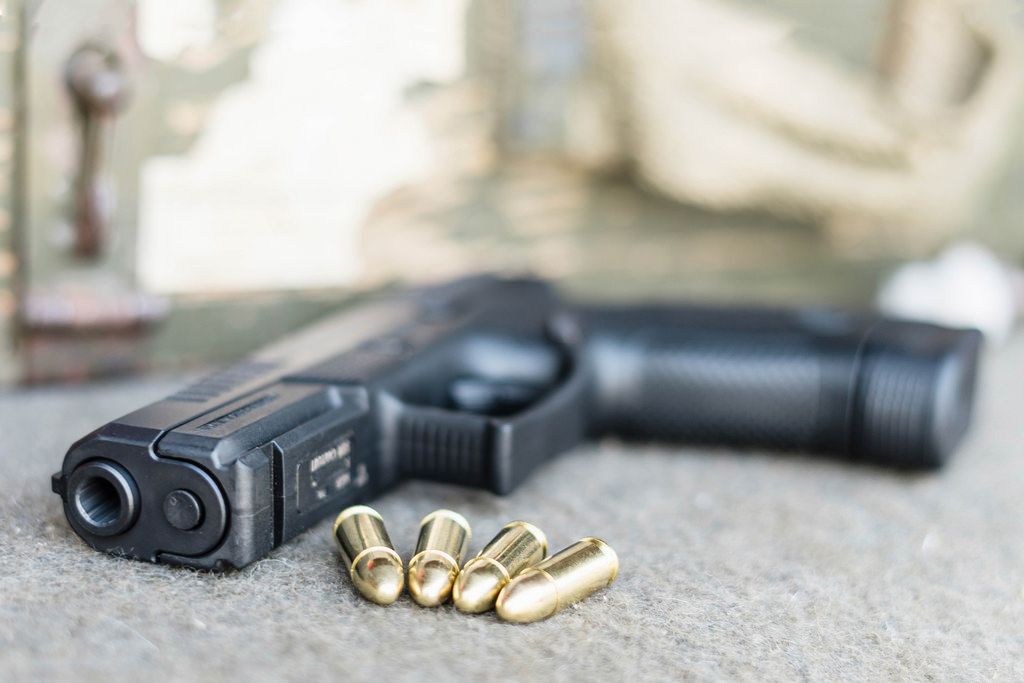
When you’re buying 9mm, the primer and sealant are your first defense against dead rounds. A sealed primer and case mouth keep moisture out, so your ammo survives humid range bags or years in a safe—why primer type and sealant affect storage life comes down to chemistry. Corrosive primers (rare now) attract moisture and wreck ignition fast; non-corrosive Boxer primers stay stable but still need a lacquer or asphalt sealant to 6.5x57mm Mauser Ammo for Sale block humidity. Without that seal, water creeps in and kills the priming compound, giving you a click instead of a bang. For long-term storage, look for crimped or painted primers—they grip tighter. A simple checklist:
- Check for a visible sealant ring around the primer.
- Confirm the case mouth is waterproofed (common on NATO loads).
- Store ammo dry—sealants delay, not defeat, moisture.
Practical Tips for Storing and Rotating Your 9mm Supply
Store 9mm ammo in its original factory boxes inside a sealed, airtight ammo can with a desiccant pack, keeping the environment below 70°F and under 50% humidity to prevent corrosion and powder degradation. Rotate by labeling each box with the purchase date and using a “first in, first out” system—place new purchases behind older stock so you always shoot the oldest 9mm first, ideally within 3–5 years for reliable primers and consistent ballistics. Avoid leaving loose rounds in magazines for months, as spring tension and exposure to sweat can cause feeding issues; instead, keep mags loaded only for carry and rotate those rounds quarterly. **Q: How often should you rotate carry ammo?** A: Every 3–6 months, firing the old rounds at the range to verify function and replacing with fresh 9mm.
Keeping Ammo Dry and Temperature-Stable for Long-Term Shelf Life
For 9mm ammo sitting in storage, moisture is the real enemy—it causes corrosion on brass and primers, which can lead to failures down the road. Keep your rounds in a sealed ammo can with a desiccant pack, and avoid storing them in garages or basements where humidity spikes. Temperature swings are less damaging, but **stable, cool conditions around 60–70°F** will preserve powder consistency and prevent seal degradation. A quick tip: if you live in a humid climate, check your ammo every few months for green spots on casings, and always let sealed cans warm to room temperature before opening to prevent condensation.
Q: Does freezing 9mm ammo ruin its shelf life?
A: No—freezing itself won’t hurt the powder or primer, but repeated thaw-freeze cycles can cause moisture buildup inside the case, so avoid it unless you vacuum-seal first. Keep it .338 Lapua Ammo for Sale dry and steady, and your 9mm will stay reliable for decades.
How to Spot Signs of Deterioration Before You Head to the Range
Before you head to the range, give each 9mm cartridge a quick once-over under good light. Inspect the brass for deterioration like dark green or white crusty patches, which indicate oxidation that can weaken the case wall. Run your thumb over the primer; if you feel any raised bump or see a deep, indented strike that wasn’t there before, set it aside immediately. Check for bullet setback by pressing the nose against a hard surface—if it sinks deeper into the case, the pressure could spike dangerously. Finally, rattle the rounds; loose powder inside suggests a cracked seal. These five seconds of inspection are your pre-range safety check for old ammo, preventing frustrating malfunctions and protecting your firearm from avoidable damage.
Common 9mm Feeding and Accuracy Issues and How to Fix Them
Common 9mm feeding and accuracy issues often stem from inconsistent ammunition. A case that’s not fully resized or has a rolled crimp can cause failures to chamber, while weak powder charges lead to stovepipes. For accuracy, bullet weight and shape matter—a flat-nose round may feed poorly in a ramp-driven barrel, while a round-nose profile feeds flawlessly. Fix a feeding issue by testing different 9mm ammo brands until the slide locks back smoothly without jams. For precision, check your bullet seating depth; a cartridge too long or short disrupts the feed angle and spreads groups. Also, never mix old and new 9mm brass in the same mag—inconsistent headspace creates both misfeeds and vertical stringing. Clean the feed ramp and use a 124-grain FMJ for the best compromise of reliable cycling and tight grouping in most handguns.
Troubleshooting Misfires, Light Strikes, and Failure-to-Feed Problems
When 9mm rounds fail to ignite or chamber, systematic troubleshooting of misfires, light strikes, and failure-to-feed problems starts with the ammunition itself. Check the primer for a shallow dimple—a light strike often points to weak hammer spring tension, while a misfire with no indentation suggests a feeding issue blocked the firing pin. Inspect the cartridge case mouth for burrs or deformation that can hang up on the feed ramp. Also, verify the bullet’s overall length (OAL); if too long, it jams against 6.5×55 Swedish Ammo for Sale the rifling, causing a feed failure. For a reliable cycle, clean the extractor claw and breech face thoroughly, as carbon buildup prevents proper case rim seating.
- Test different 9mm brands to rule out hard primer batches
- Polish the feed ramp to reduce snagging on hollow points
- Replace recoil springs if slide velocity is too low for the bullet weight
Testing for Optimal Accuracy: Finding the Best Lot for Your Barrel Twist Rate
To find the best 9mm lot for your specific barrel twist rate, buy several boxes from different production batches and shoot five-round groups from a sandbag rest at 25 yards. Record each group’s center-to-center spread, noting the twist rate stamped on your barrel (e.g., 1:10 6.8 SPC Ammo for Sale or 1:16). Lighter 115-grain bullets often stabilize better in faster twists, while 147-grain subsonics may prefer slower rates, so test each lot across your firearm’s actual rifling. Repeat the test on a cool barrel to avoid heat-induced fliers, and choose the lot with the tightest, most consistent groups for that twist. This process isolates ammunition variance from mechanical error, giving you a lot-specific accuracy baseline.
| Twist Rate | Bullet Weight (grain) | Typical Group Size (25 yd) |
|---|---|---|
| 1:10 (fast) | 115 | 1.0–1.5 inches |
| 1:16 (slow) | 147 | 1.2–1.8 inches |


